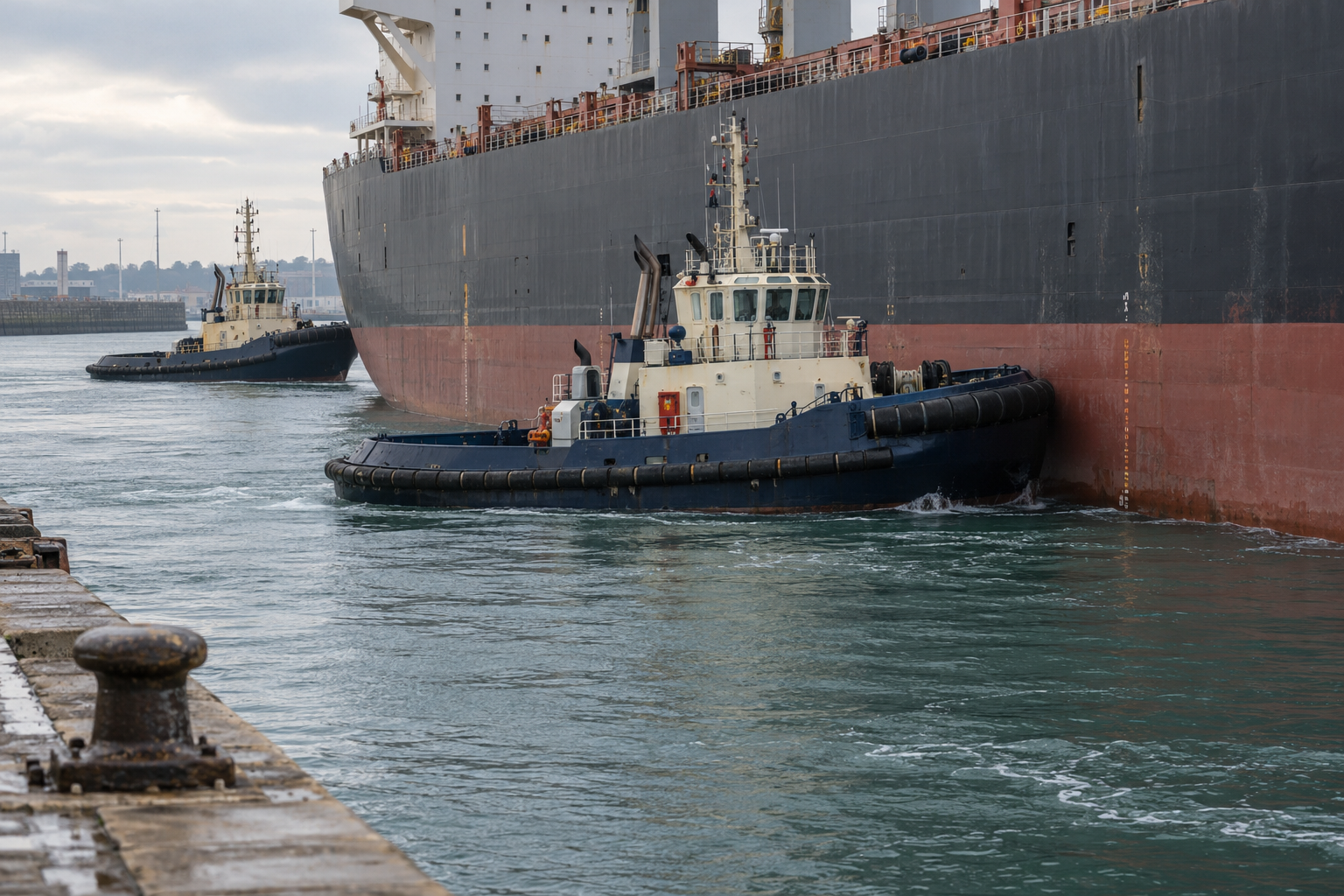
The work a tug does at walking speed
A ship approaching a berth needs more than less speed. A harbour tug puts force at the right point on the hull while rudder, wind, tide and towline limits shape the final movement.
About the author
I write about ports, tides and the systems that connect a vessel to the shore. My interests include hydrographic surveys, cargo handling and the decisions hidden inside ordinary harbour infrastructure.
I build each essay around a concrete question, read the underlying sources and separate observed results from interpretation. I want the details to remain clear enough that a reader can follow the argument and examine the evidence.
A ship approaching a berth needs more than less speed. A harbour tug puts force at the right point on the hull while rudder, wind, tide and towline limits shape the final movement.
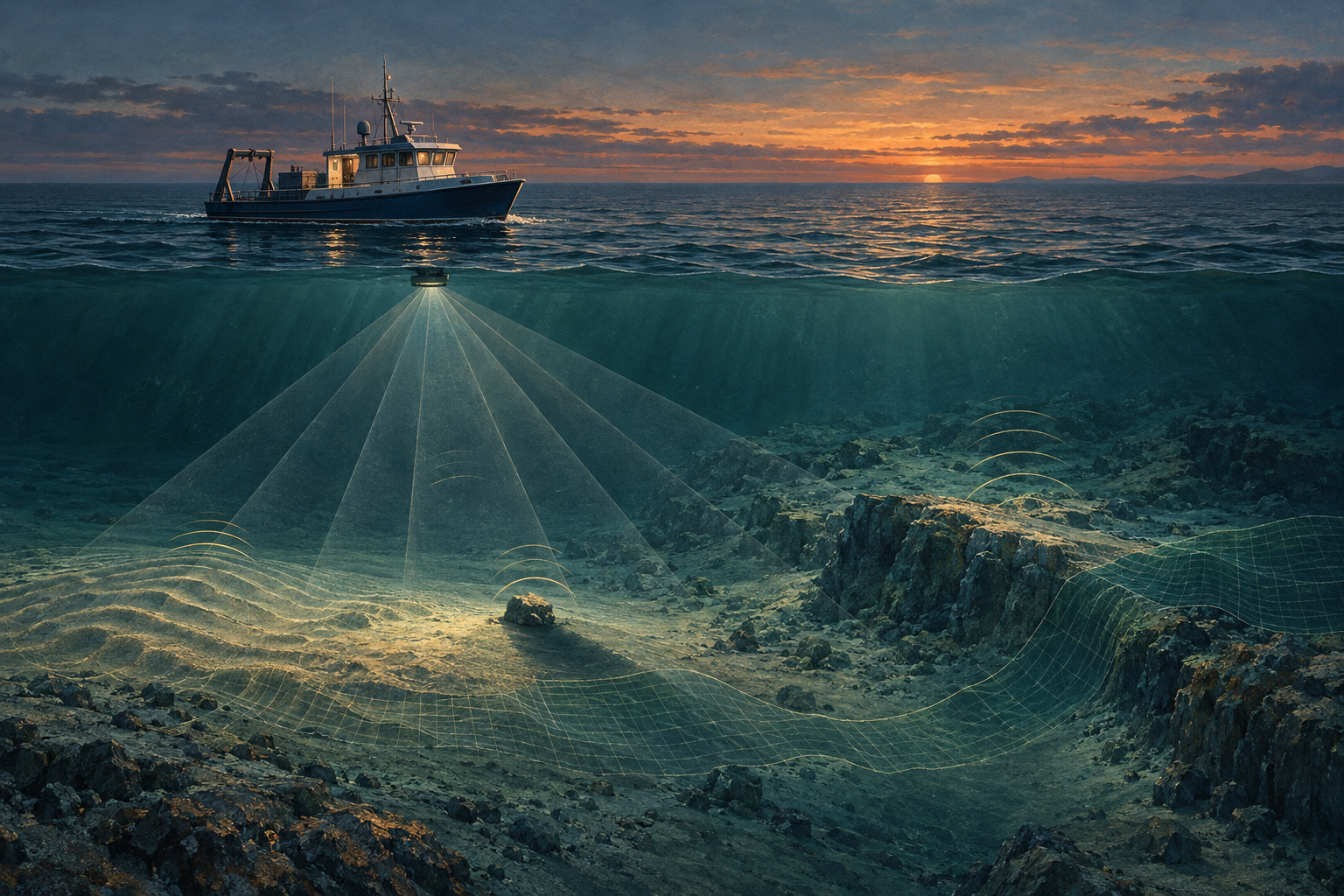
A sonar return is a measurement, not a picture of the ocean floor. Turning it into a useful chart means accounting for the water, the moving vessel, and what the echo cannot identify on its own.
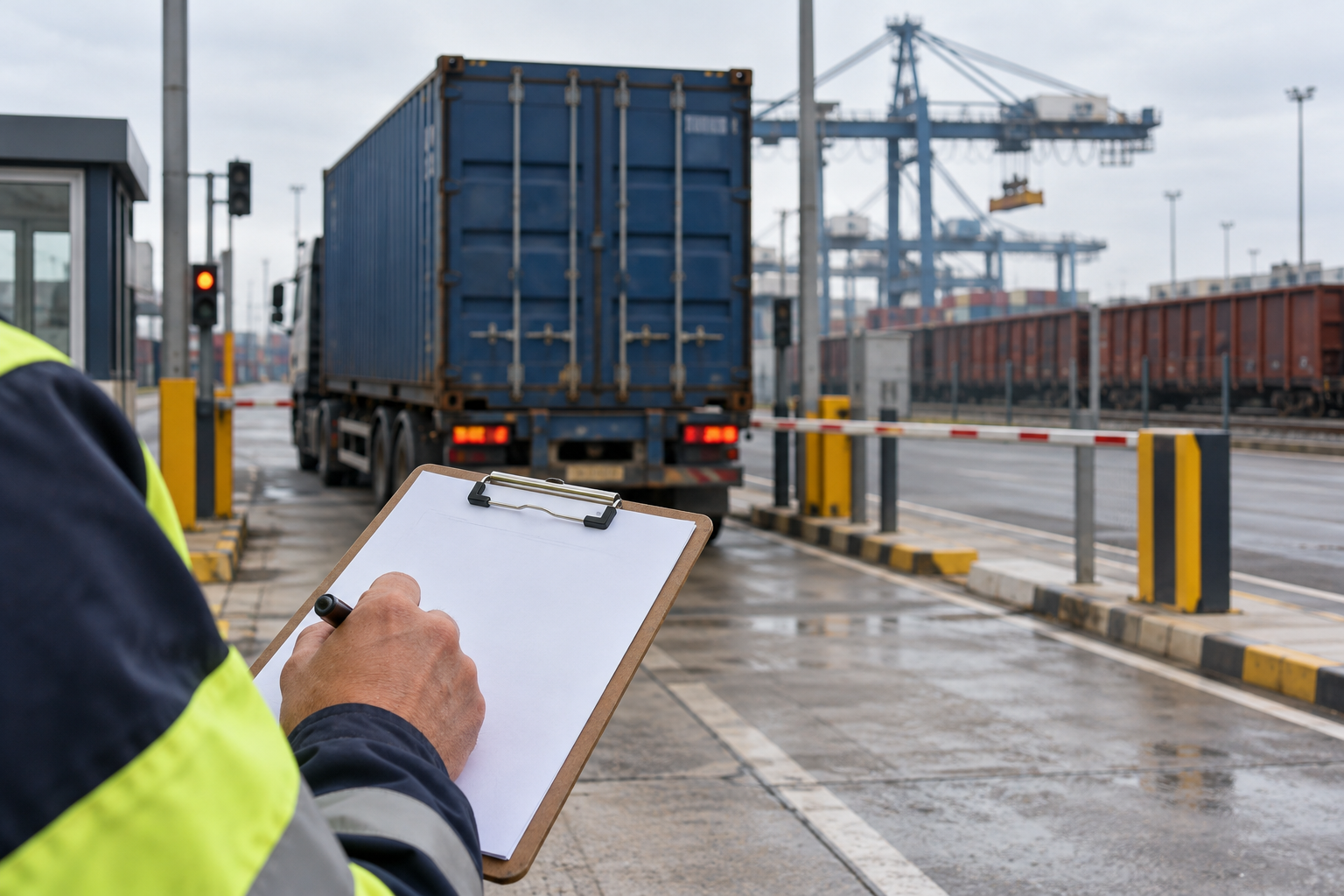
A container number moves from painted steel into gate, vessel and shipment records. Its check digit catches some bad readings; the journey still depends on reliable events and a match to the box.
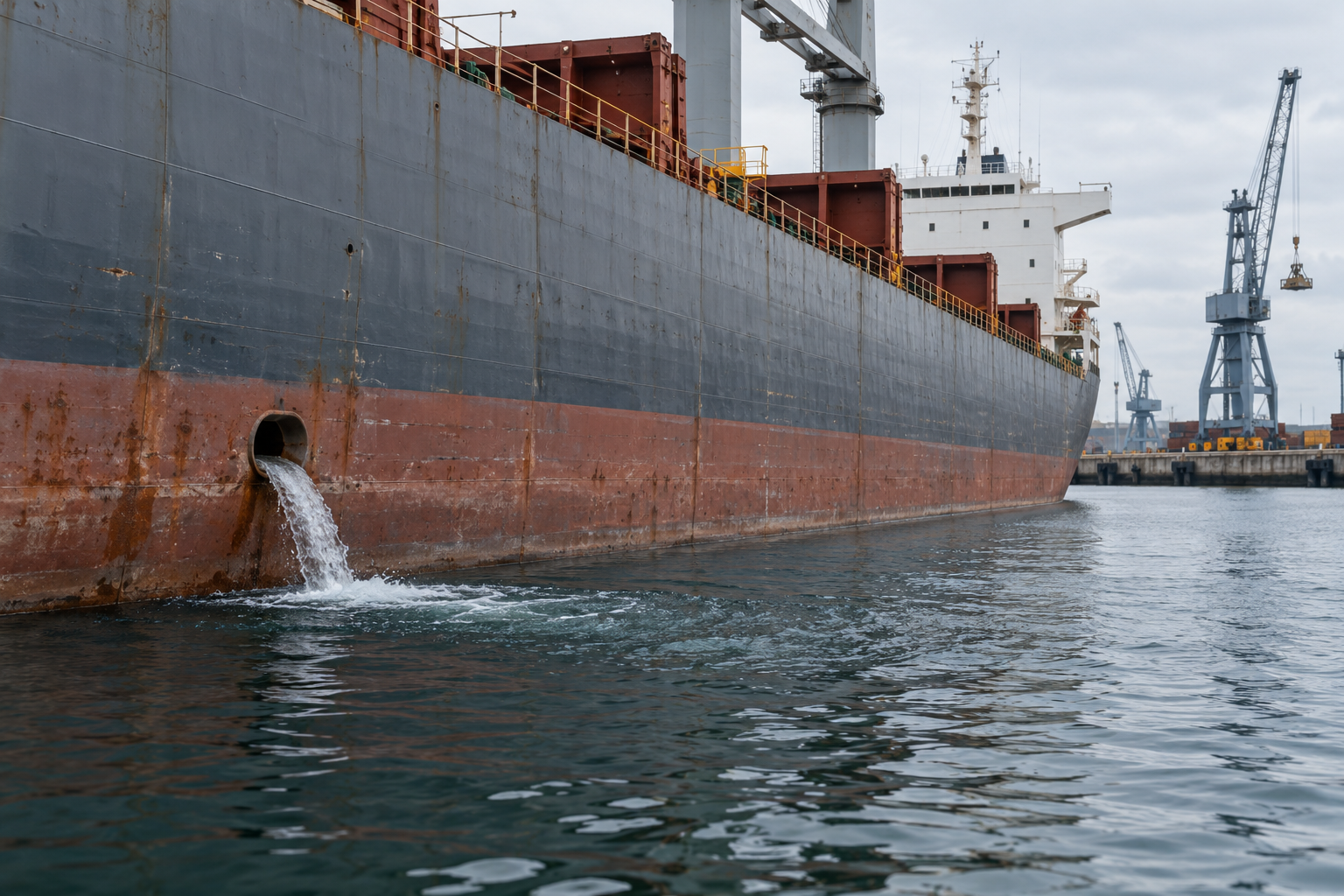
Ballast water steadies a lightly loaded ship, then leaves as cargo comes aboard. The same voyage can move living organisms between ports, making the contents of a tank as important as its weight.
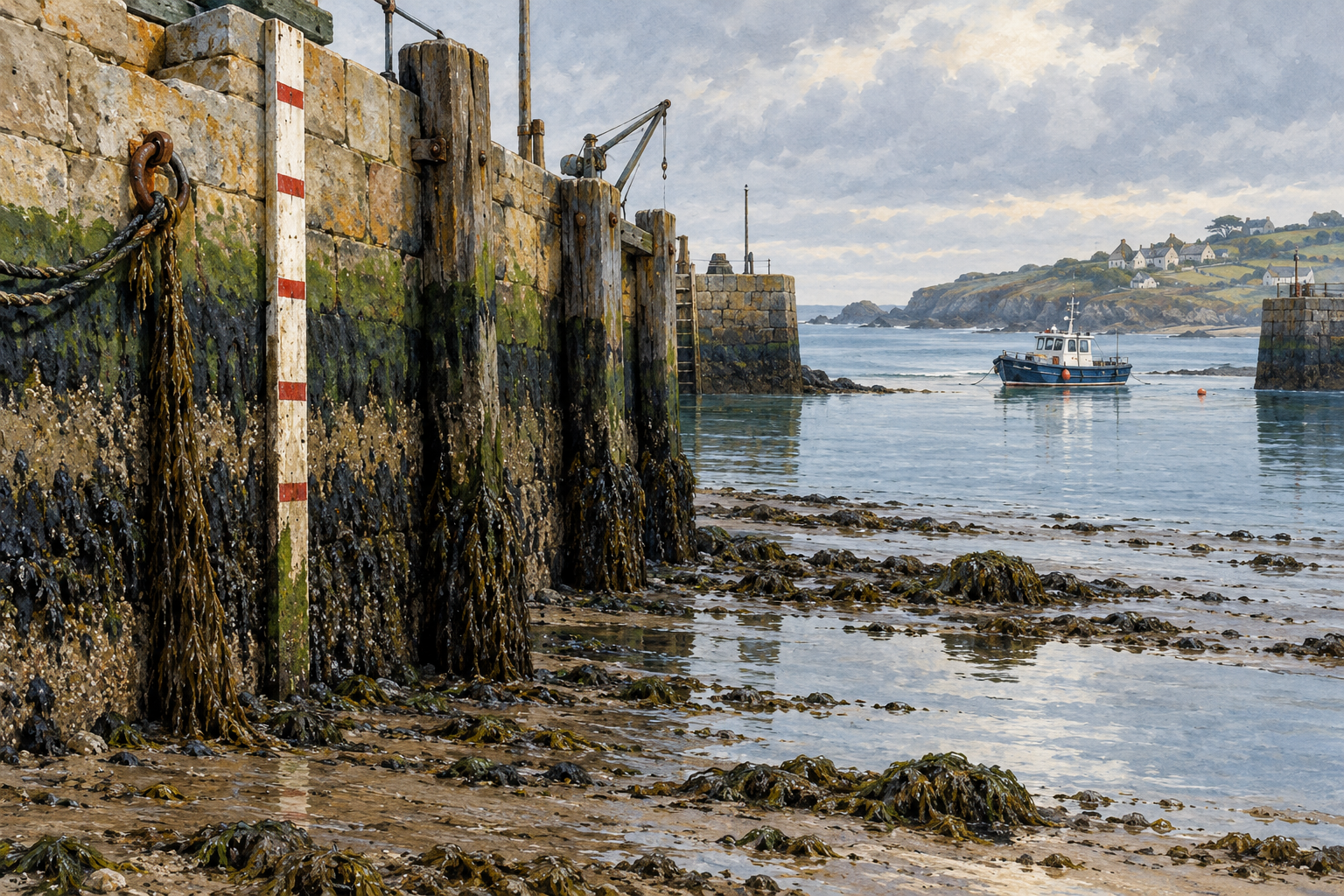
Chart datum connects a sounding to a tide height. Its local reference, time period and uncertainty explain why the zero beneath a harbour needs a name.